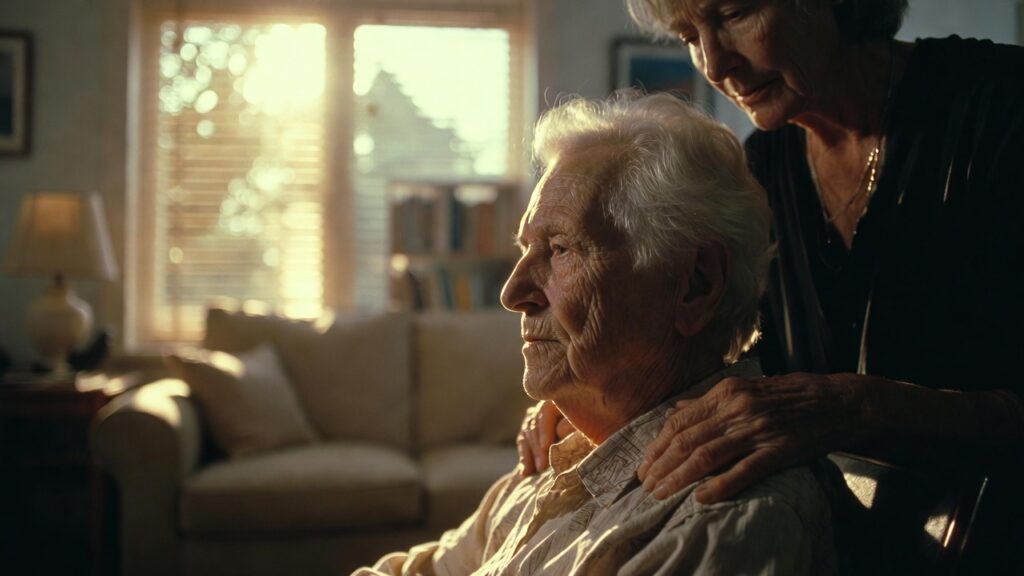

Care at home isn’t a luxury — it’s a return to something deeply human. Behind every gesture, from preparing a morning meal to folding a blanket, there’s an unspoken exchange of trust. Home care is not about convenience; it’s about dignity — the small, repetitive moments that quietly rebuild confidence and belonging.
Unlike care facilities, home care operates inside someone’s personal rhythm. It adapts to the familiar creak of a hallway, the smell of the morning coffee, the family photos that line the wall. It’s not a service that arrives at your door; it’s a connection that grows there.
Familiar Surroundings, Familiar Hearts
The house itself becomes a kind of memory keeper. Every wall, every corner has stories embedded in it. When care happens in that space, healing feels less clinical — more real. The environment becomes part of the comfort.
A familiar chair, the same sunlight falling through the same window — these details hold quiet power. They create continuity, a sense that life hasn’t been interrupted, only adjusted. That’s what makes care at home so deeply human: it respects not just the body, but the emotional geography of the person being cared for.
Caregivers who step into this space aren’t outsiders; they become part of the home’s rhythm. The daily routine isn’t just maintained — it’s protected. And that familiarity breeds trust in a way no institution can replicate.
The Quiet Strength of Daily Rituals
In professional care environments, schedules dictate the rhythm. At home, emotion does.
Meals happen when they feel right. Conversations stretch longer when the mood allows. Rest happens when comfort returns.
These everyday rituals — morning tea, shared laughter, the gentle reminder to take medication — are like steady spins on a wheel of reassurance. They might look simple from the outside, but they build the foundation of emotional safety.
This is where care transforms from duty to relationship. The caregiver is no longer a worker on a timer, but a familiar presence who learns the subtleties — when to talk, when to listen, when to simply sit in silence.
It’s these small, consistent interactions that form the invisible threads of belonging. They remind people that even as bodies change, dignity remains.
Human Dignity as a Daily Choice
There’s a certain grace in being cared for at home. It allows independence to coexist with vulnerability.
The person receiving care is not a “patient” — they are still the same individual with preferences, habits, and humor.
At home, care happens without stripping identity. You’re not just another name on a shift log. You’re a person whose life continues, whose stories still matter.
That’s the heartbeat of home care: it values familiarity over formality, presence over protocol. It’s slower, yes — but slower in the way life should be when kindness leads.
When Connection Heals More Than Treatment
Science has started catching up with what families already know — that emotional comfort accelerates recovery.
Studies show that people surrounded by loved ones, or even simply familiar voices and settings, show better cognitive and emotional stability.
It’s not just about treatment plans. It’s about connection.
Healing happens when people feel safe. And “safe” isn’t a medical condition — it’s a feeling built one day at a time through warmth, patience, and care that feels personal.
Home care, in that sense, is less about intervention and more about restoration. It restores a sense of self, even when health falters.
The Shared Pulse Between Caregiver and Home
Every home has its own rhythm, and every caregiver learns to move with it.
It’s not training manuals that teach this — it’s empathy. The way you sense when a day needs more laughter or less talk. The way you remember how someone likes their tea slightly stronger on rainy mornings.
In these spaces, caregiving becomes an unspoken language — quiet, adaptive, intuitive.
It’s a dance built on patience and understanding, where both sides learn each other’s steps.
That’s what makes home care not just functional, but deeply relational. It spins a bond between two people — one giving, one receiving — where both end up changed.
The Comfort of Staying Home
For many families, care at home is about more than health. It’s about keeping the feeling of “home” intact — that place where memories breathe freely and the air feels right.
Aging in place allows people to stay connected to the things that define them: their books, their routines, their neighbors. These details may seem small, but they form identity.
Losing them can make recovery feel like exile. Keeping them close turns care into continuity.
At home, healing happens in the language of normalcy — the scent of breakfast, the hum of the same old radio, the predictable sound of footsteps on wooden floors. Familiarity doesn’t just comfort; it heals.
Where Care Feels Like Belonging
Ultimately, home care is a practice in remembering that we heal better when we are not alone.
It isn’t about tasks completed, but about moments shared — the hand that steadies, the voice that reassures, the presence that doesn’t rush to leave.
There’s a phrase often said by families: “We just want them to feel like themselves again.”
That’s what care at home really delivers — not just recovery, but recognition.
Every day, care at home spins a more human connection. And that’s what makes it timeless.