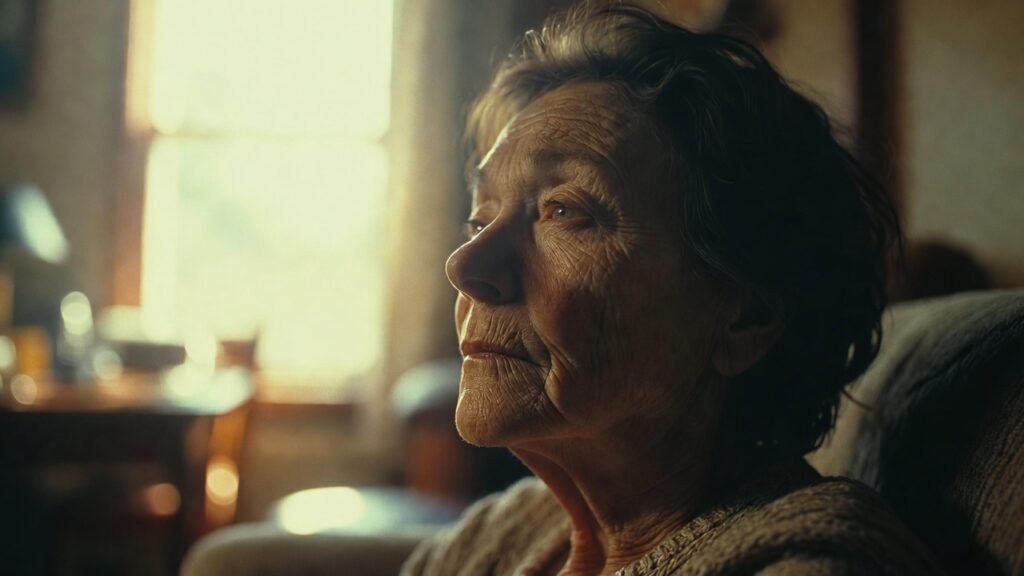

Home is where life slows down enough for memory to catch up. For many older adults, home isn’t about four walls — it’s about a rhythm that feels safe, familiar, and entirely their own.
There’s a kind of quiet wealth in waking up to the same morning light, the same kitchen smell, the same chair that has molded itself to your body over years. That’s not nostalgia; that’s identity.
And maybe that’s the real jackpot — not luck, not chance, but the emotional payoff of staying where life still recognizes you.
Familiar Walls, Living Memories
Aging in place is not about refusing change. It’s about protecting what time has built.
Every room in a house holds echoes — laughter that used to fill the air, family photos that still whisper names, furniture that remembers touch.
When care happens inside that space, it blends with history instead of replacing it. The sound of a caregiver’s footsteps joins the chorus of everyday life — soft, respectful, and real.
That’s the magic of care at home: it doesn’t erase the past, it preserves it.
The Rhythm That Stays
There’s comfort in knowing what comes next.
The tea kettle still whistles at seven. The radio hums old songs. The cat scratches the same spot near the window.
These small certainties form a rhythm — the heartbeat of everyday life. And when someone grows older, that rhythm becomes medicine.
Predictability doesn’t make life dull; it makes it safe.
In a world that changes too fast, staying home is like holding a winning hand — the odds finally feel in your favor.
Dignity Without Distance
Institutions can provide care, but they often take away proximity — the closeness that makes care human.
At home, dignity and familiarity coexist. The person receiving care stays in control: when to wake, what to eat, how to spend the day.
There’s no schedule written by strangers — only habits that feel natural, rooted in years of living.
That’s why emotional comfort at home feels like the grand prize. It’s not luxury; it’s continuity. It’s the relief of not needing to explain yourself just to be cared for.
The Psychology of Staying Put
Experts call it place attachment — the deep emotional link people form with environments that feel like extensions of the self.
For seniors, that attachment isn’t just sentimental; it’s stabilizing. Studies show that aging adults who remain in familiar surroundings often experience reduced anxiety and better overall emotional well-being.
But the science only confirms what most families already know: home feels like safety. And safety feels like freedom.
The Jackpot of Presence
In truth, “the senior jackpot” isn’t a reward you win once. It’s something that grows in value every day.
It’s found in the sound of family visiting, in the way light hits the living room, in the knowing glance shared between a caregiver and the person they help.
Those aren’t random moments — they’re accumulated victories of presence.
Each one says: you’re still here, and that still matters.
Aging as a Conversation
Home care, when done right, isn’t about supervision. It’s about companionship.
Aging at home turns ordinary days into quiet exchanges — stories told between generations, laughter over tea, long pauses that don’t need words.
That’s how time softens — through routine, through warmth, through small acts of care that mean everything.
And while the rest of the world chases newness, here, stability is the miracle.
Where Comfort and Care Align
In the end, home gives aging a different language — one that speaks softly but holds meaning.
Walls remember. Rooms hold trust. And the people inside rediscover that being cared for doesn’t mean being forgotten.
This is what real comfort looks like: the alignment between body, memory, and place.
The feeling of belonging not just somewhere, but still here.
That’s the jackpot no system can replicate — the one that comes quietly, day after day, at home.